
Step deck dispatch for taller freight and heavy equipment.
A lower main deck lets you haul taller machinery and equipment within legal height. We find the loads that need exactly that — and plan them carefully.
- Length
- 48–53 ft
- Decks
- Upper deck + lower main deck
- Typical max
- Around 48,000 lbs
- Advantage
- Taller freight within legal height
- Key gear
- Straps, tarps, chains, binders, dunnage
Why carriers choose a step deck
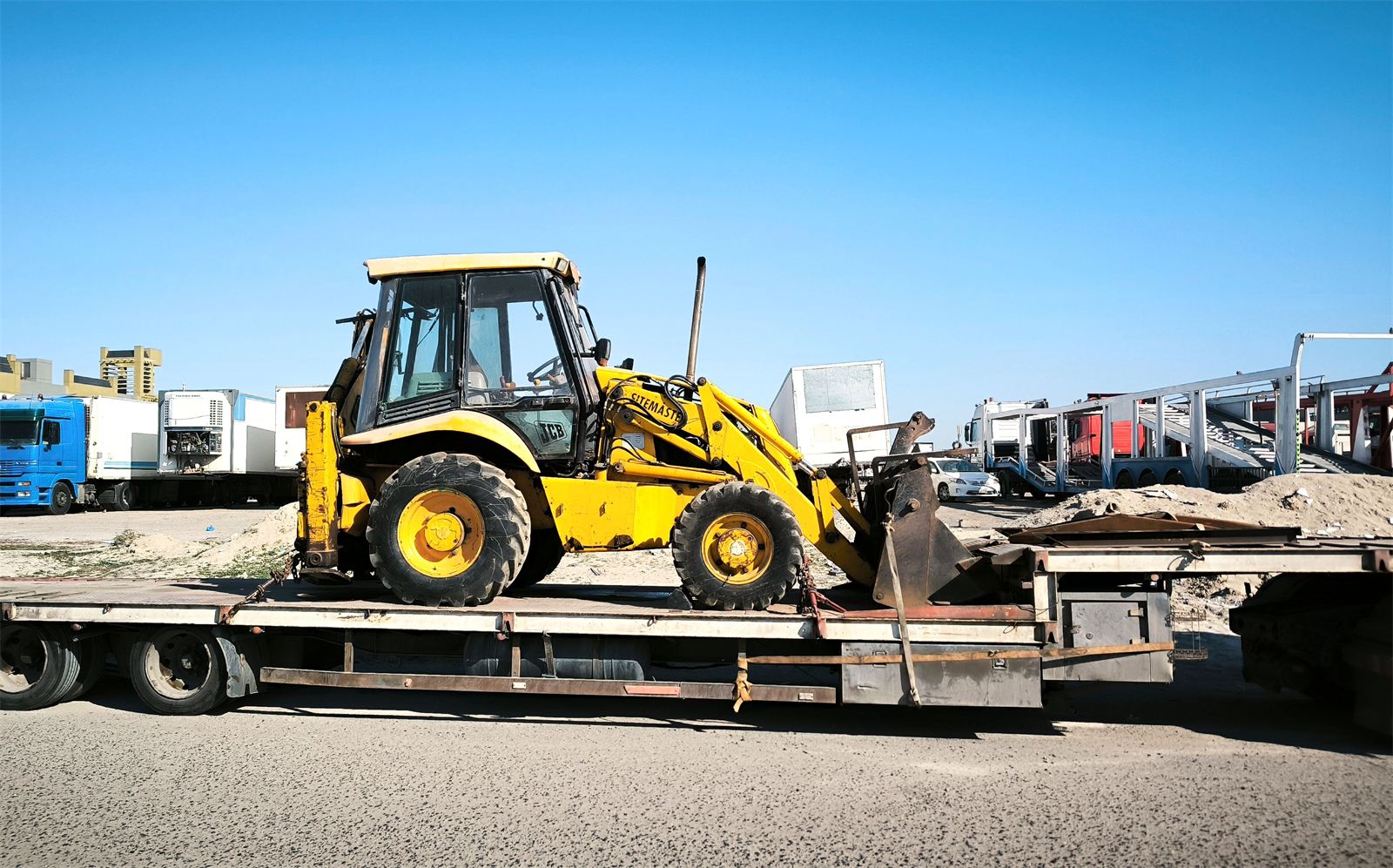
A step deck — also called a drop deck — is an open trailer with two levels: a short upper deck over the tractor and a longer lower main deck. That lower deck height means taller freight can stay within legal height limits without the permits a standard flatbed might need.
Step decks are typically 48 to 53 feet long, with cargo weight commonly planned up to around 48,000 lbs. They carry much of the same freight as flatbeds, plus the taller equipment flatbeds struggle with: excavators, backhoes, compact cranes and large machinery.
Like flatbed work, step deck dispatch depends on accurate dimensions, the right securement gear and realistic loading times. Loads often involve ramps or cranes at the shipper, so communication about loading methods matters.
Freight applications
Step deck commodities we commonly book.
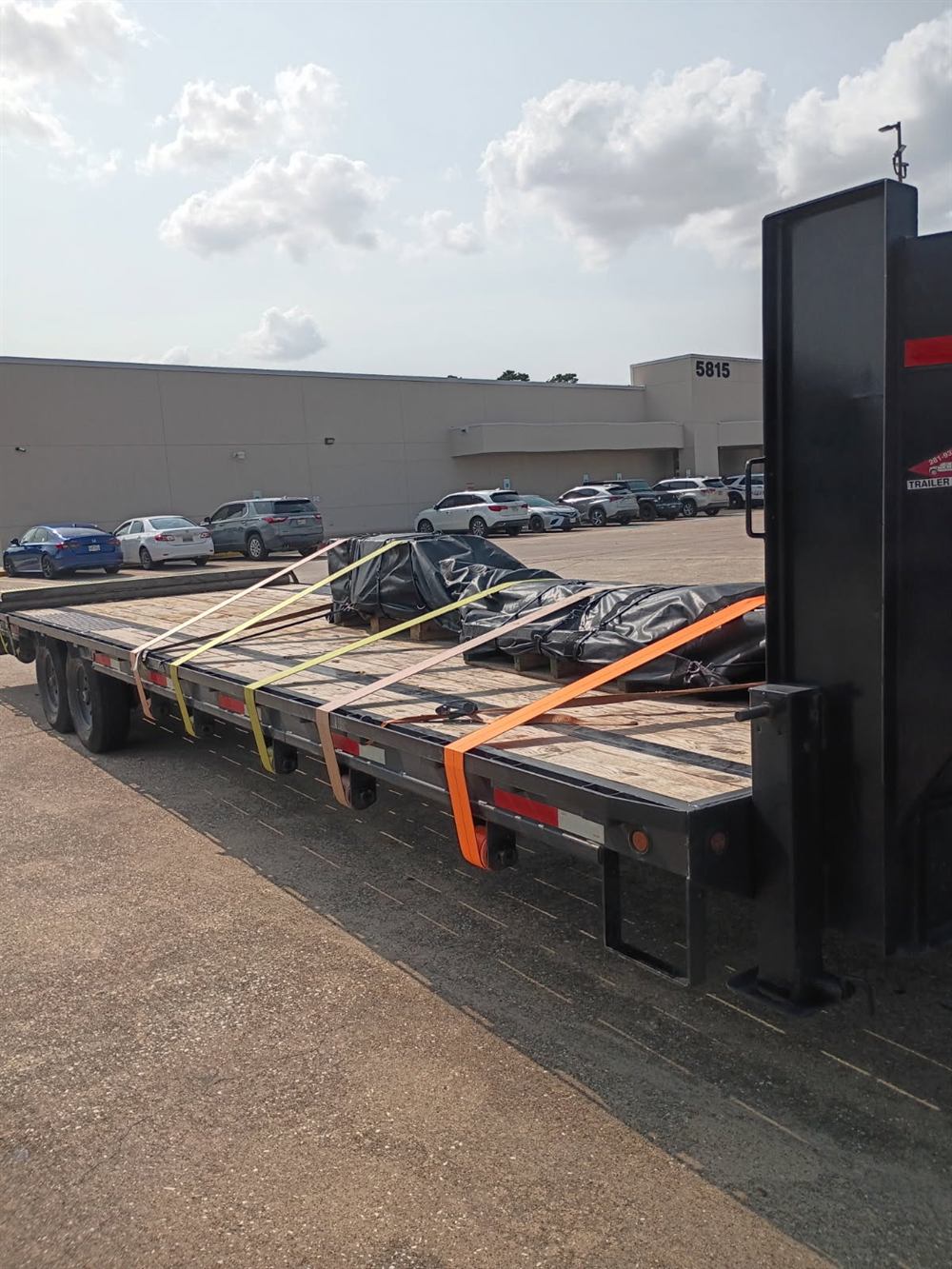
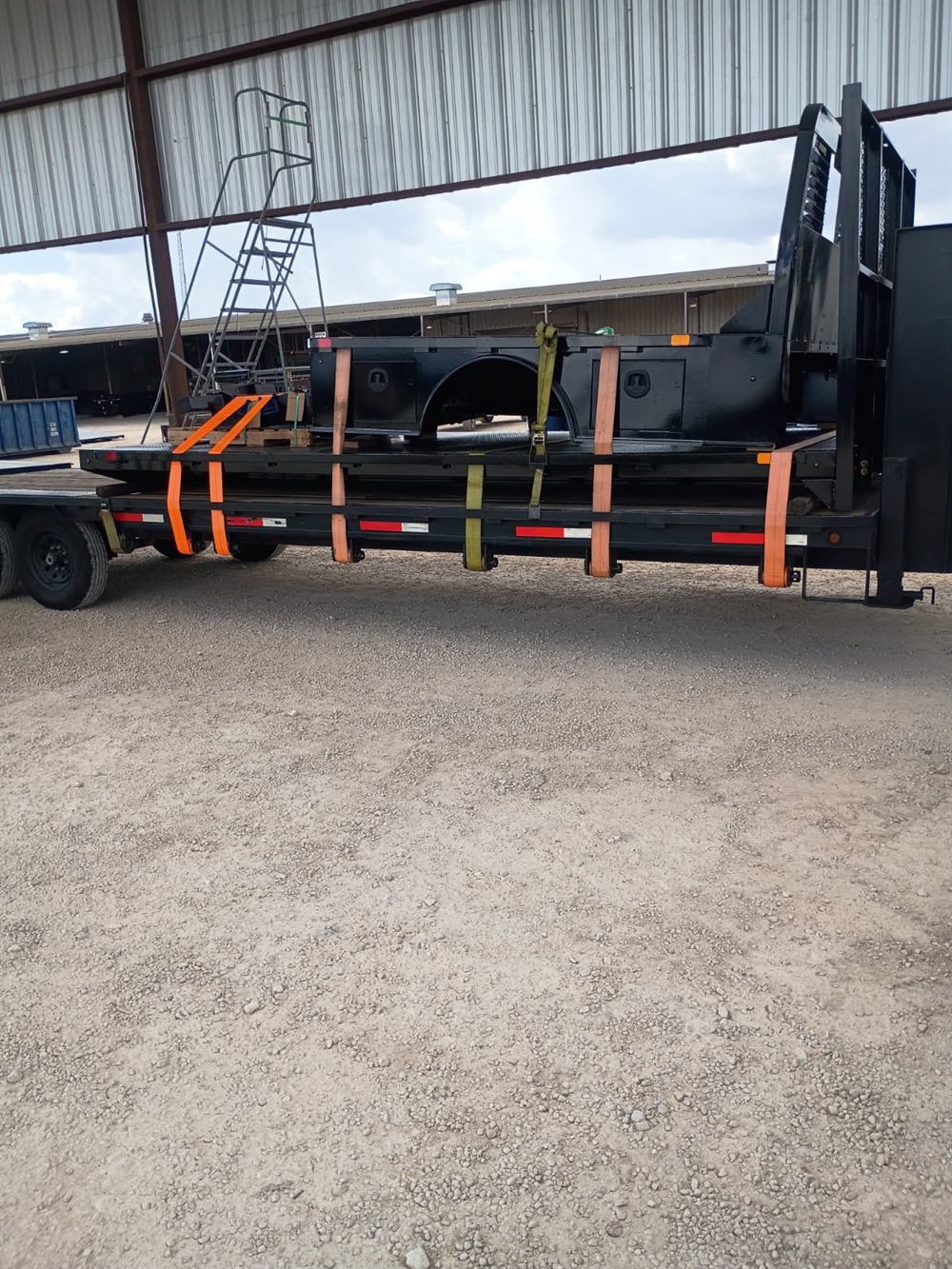
Securement gear for step deck
Dispatch considerations for step deck
- Exact dimensionsHeight, width and length confirmed to stay legal.
- Loading methodRamps, forklifts or cranes coordinated with the shipper.
- Weight distributionFreight placed correctly across upper and lower decks.
- PermitsOversize loads identified early so permits can be arranged.
- Job-site timingConstruction sites may have limited receiving hours.
Frequently asked questions
Can a step deck haul flatbed freight?
Often yes, which gives step deck carriers access to both markets — though loads must fit the split deck layout.
Do I need ramps?
Ramps open equipment loads that drive on. Not every load needs them; we match loads to your setup.
Are step deck rates higher than flatbed?
Rates depend on the freight and market. Compare scenarios in the equipment calculator.
Get Started with Groundbreakers Dispatch
Let’s discuss your dispatch needs.
Tell us about your equipment, your preferred lanes and where you want your business to go. Our team will reach out to talk it through — no pressure and no obligation.