
Dry van dispatch that keeps your trailer loaded with the right freight.
The most common trailer on American highways deserves a dispatcher who knows its freight, its accessories and its lanes. We match your van to loads that fit and pay.
- Length
- 48–53 ft
- Doors
- Swing or roll-up
- Construction
- Aluminum walls, wooden floor (most)
- Typical cargo
- Around 45,000 lbs
- Key gear
- E-track, straps, load bars, dunnage
What a dry van is — and why it’s so versatile
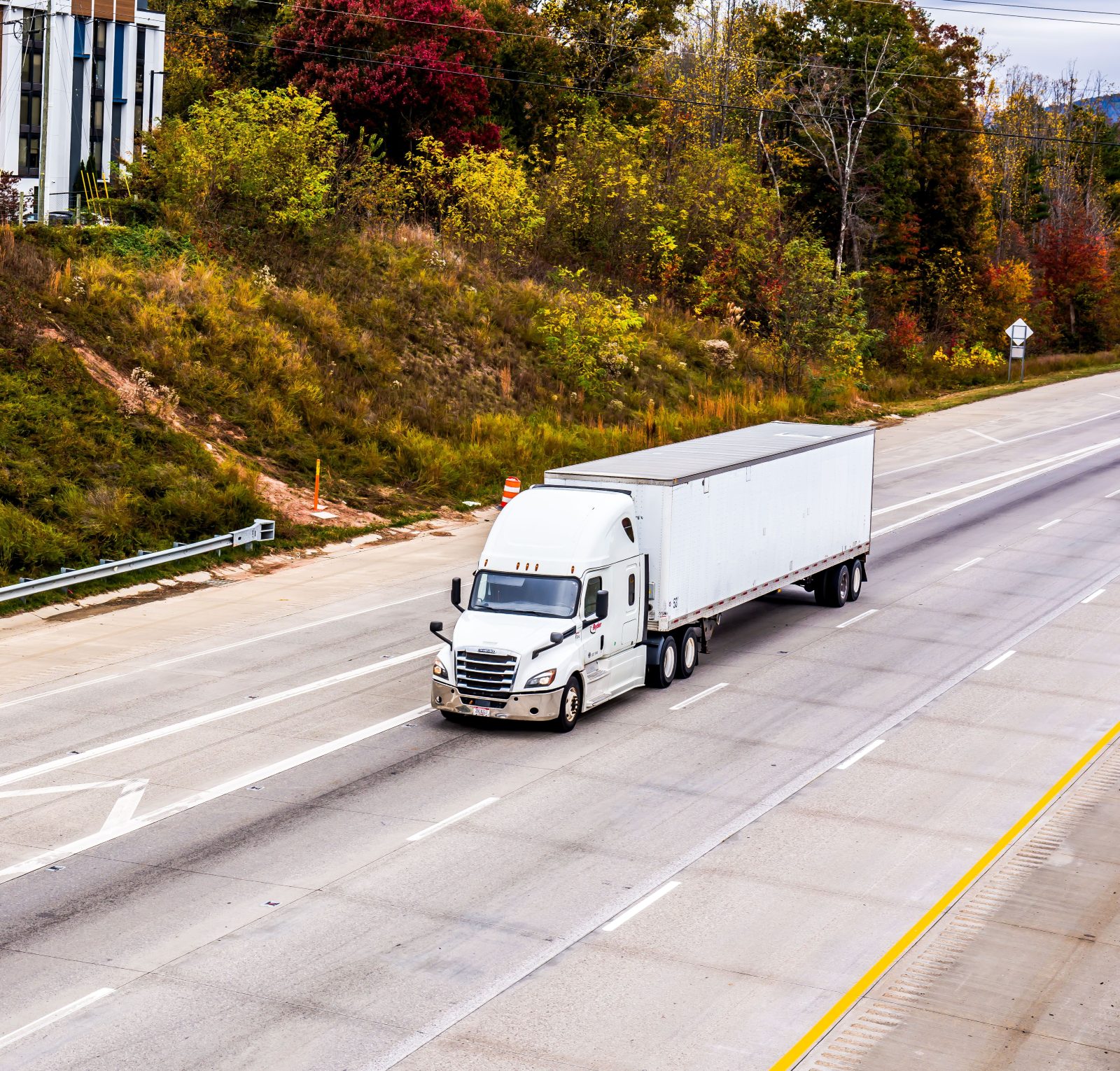
A dry van is an enclosed, non-temperature-controlled trailer, usually 48 to 53 feet long. It protects freight from weather and theft, and it hauls the widest range of everyday goods in the country — which is why dry van dispatch is the starting point for many owner-operators.
Most dry vans have aluminum walls and wooden floors, with either swing doors or roll-up doors at the rear. Vented vans exist but are rare. Door type matters: some shippers and docks require swing doors, so your dispatcher records it in your carrier profile and filters loads accordingly. Typical cargo weight is commonly planned around 45,000 lbs, though your truck’s actual legal capacity depends on its configuration.
Because so many carriers run dry vans, competition for good loads is real. That’s where a dispatcher earns their place: searching ahead, negotiating, choosing loads that deliver into strong outbound markets and keeping deadhead under control.
Freight applications
Commodities we commonly book for dry vans.
Accessories: e-track and straps where required
Freight that shifts in transit gets damaged — and damage claims fall on the carrier. Dry vans use a few simple tools to keep loads secure:
Dispatch considerations for dry van
- Door type and lengthMatched to shipper and receiver requirements before booking.
- Live vs drop loadsUnderstanding wait time at live loads and planning detention terms.
- Floor-loaded freightConfirming straps and e-track when cargo isn’t palletized.
- Outbound marketsAvoiding high-paying loads into areas with little return freight.
- Seasonal demandRetail peaks and slow periods affect rates and volume.
Frequently asked questions
Do I need e-track to run dry van?
Many loads don’t require it, but some shippers do, especially for floor-loaded or mixed freight. Having e-track and straps opens more loads.
Swing doors or roll-up doors — which is better?
Swing doors are more common and accepted at most docks. Roll-up doors suit some local and delivery work. We filter loads based on your door type.
How much can a dry van earn?
It depends on rates, lanes, miles and costs, and changes with the market. Model your own numbers in the equipment comparison calculator.
Get Started with Groundbreakers Dispatch
Let’s discuss your dispatch needs.
Tell us about your equipment, your preferred lanes and where you want your business to go. Our team will reach out to talk it through — no pressure and no obligation.