
Flatbed dispatch for carriers who know how to secure a load.
Construction materials, machinery, logs, steel and pipe — open-deck freight rewards skill. We book loads that fit your deck, your gear and your legal weight.
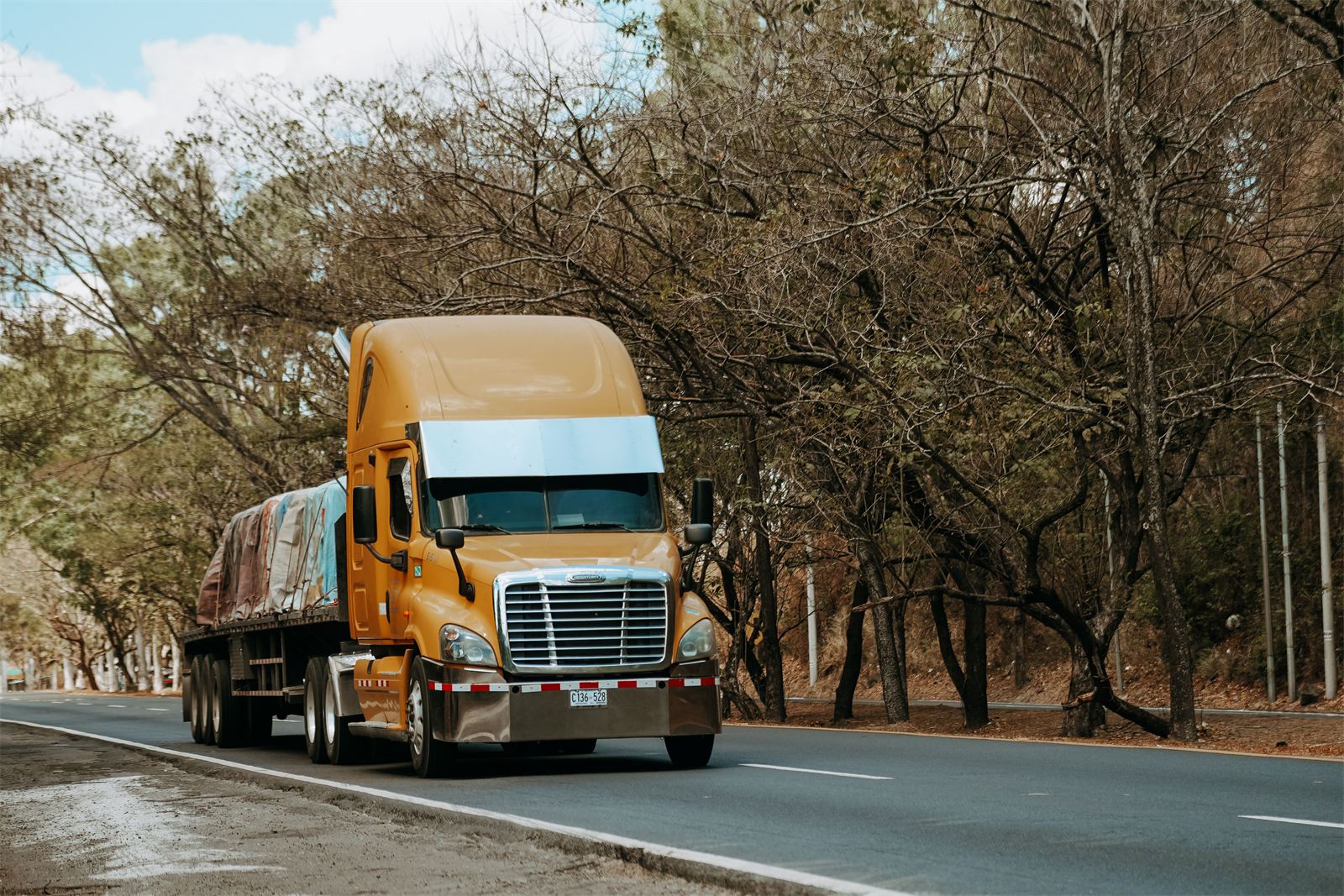
- Length
- 48 or 53 ft
- Loading
- Sides, top or rear
- Typical max
- Around 48,000 lbs
- Mountain areas
- Often 38,000–40,000 lbs
- Key gear
- Straps, tarps, chains, binders, dunnage
Flatbed freight: open deck, real responsibility
A flatbed is an open trailer, usually 48 or 53 feet, that can be loaded from the sides, top or rear. That flexibility makes it essential for freight that won’t fit through a van door — from lumber and steel to machinery and building materials.
Flatbed cargo weight is commonly planned up to around 48,000 lbs, but practical limits vary. In some northern and mountain areas, carriers often plan lower — around 38,000 to 40,000 lbs — because of terrain, seasonal restrictions and equipment. Your dispatcher confirms load weight in writing before booking.
Flatbed work also demands proper cargo securement. The driver is responsible for straps, chains, binders, tarps and dunnage that keep the load safe and legal. That extra skill and equipment is one reason flatbed rates are negotiated differently from van freight — and why we always ask about tarping and securement requirements up front.
Freight applications
Flatbed commodities we commonly book.
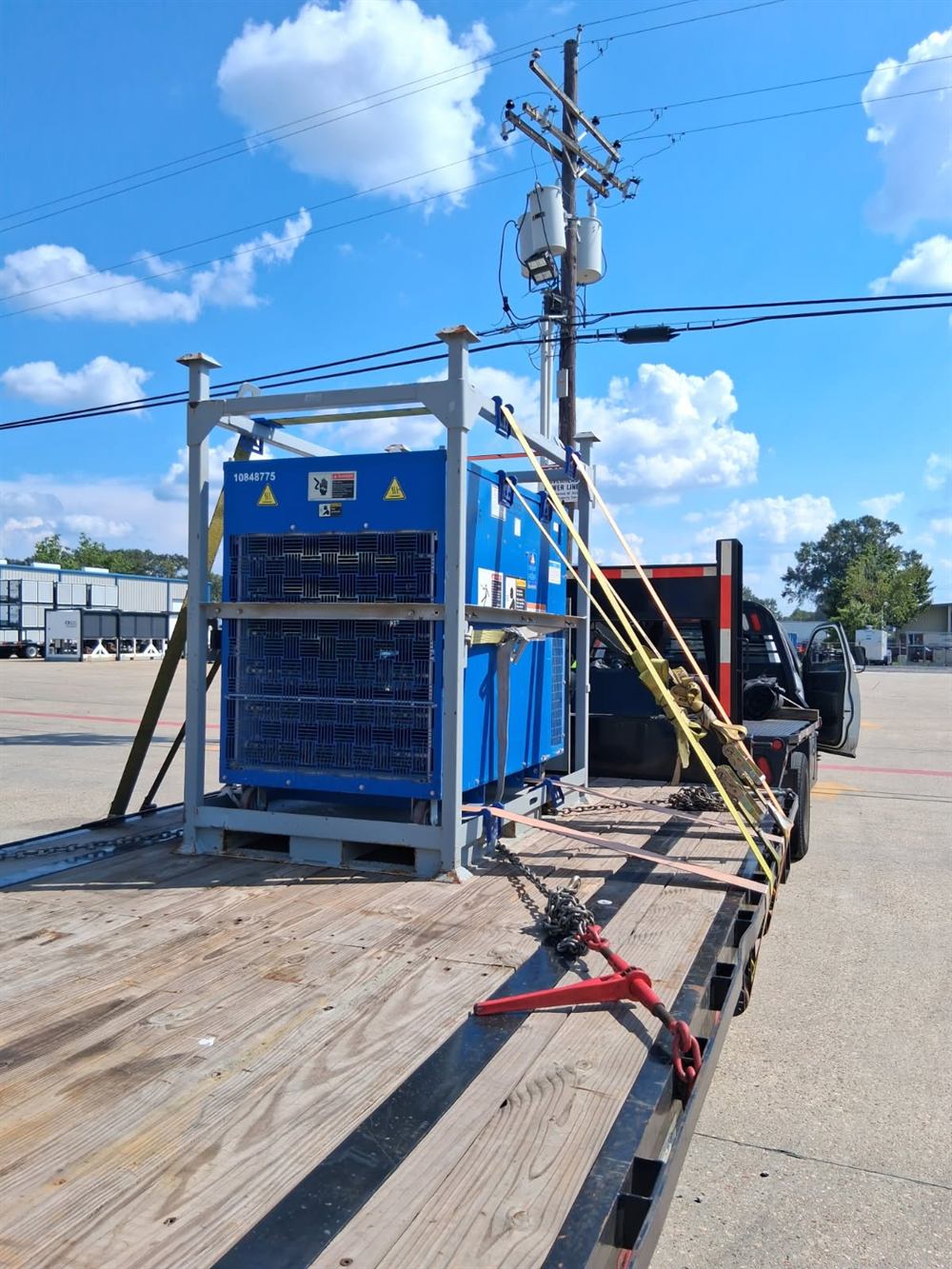
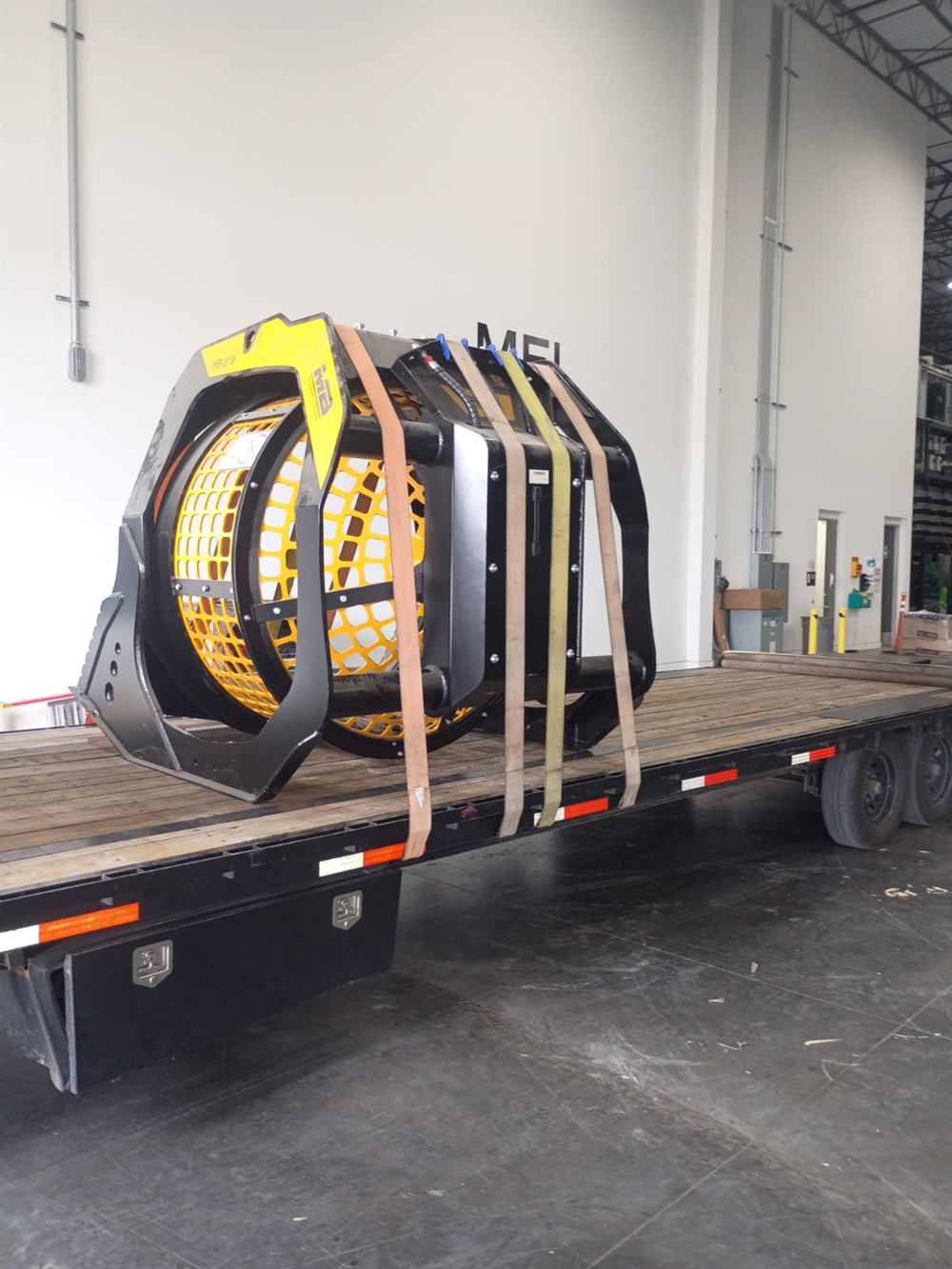
Securement gear: straps, tarps, chains, binders and dunnage
Dispatch considerations for flatbed
- Tarping requirementsConfirmed before booking and negotiated into the rate.
- Weight and dimensionsVerified to avoid overweight or oversize surprises.
- Gear on boardLoads matched to the securement equipment you carry.
- Loading timeConstruction sites and mills can mean longer waits.
- WeatherRain, snow and wind affect tarping and route planning.
Frequently asked questions
Do flatbed loads pay extra for tarping?
Tarped loads commonly include extra pay, but it must be negotiated before booking. We always ask.
Flatbed or step deck — which should I run?
Flatbeds handle a wider range of standard freight; step decks carry taller items. See step deck dispatch to compare.
What if a load is oversize?
Oversize loads need permits and sometimes escorts. We check dimensions and discuss requirements before booking.
Get Started with Groundbreakers Dispatch
Let’s discuss your dispatch needs.
Tell us about your equipment, your preferred lanes and where you want your business to go. Our team will reach out to talk it through — no pressure and no obligation.